Guruji's own teaching held that making an idea land in society depends on three things: गुरुजी की सोच यह थी कि किसी भी विचार को समग्र रूप में संप्रेषित करने के लिए तीन बातें ज़रूरी होती हैं:
What it is ?
यह क्या है?
Most gurukul, homeschool, and open-school graduates reach a point where there's nowhere to continue except mainstream modern institutions. This is built for exactly that gap — a higher-education path rooted in the study of Samaj Vyavastha (societal systems): village systems, caste and varna history, education systems, science and technology, rural social economy, and "Indian-styled entrepreneurship".
अधिकतर गुरुकुल, होमस्कूल और ओपन-स्कूलिंग से पढ़े विद्यार्थी एक मोड़ पर पहुँचते हैं जहाँ आगे बढ़ने के लिए मुख्यधारा के आधुनिक संस्थानों के अलावा कोई रास्ता नहीं बचता। यह गुरुकुल ठीक इसी कमी को पूरा करने के लिए बनाया गया है — 'समाज व्यवस्था' के अध्ययन पर आधारित उच्च शिक्षा का मार्ग। यहाँ वे ग्राम व्यवस्था, वर्ण और जाति का इतिहास, शिक्षा व्यवस्था, विज्ञान, तकनीक, ग्रामीण सामाजिक अर्थव्यवस्था, और "भारतीय शैली की उद्यमिता" के विषय में विस्तार से जानेंगे।
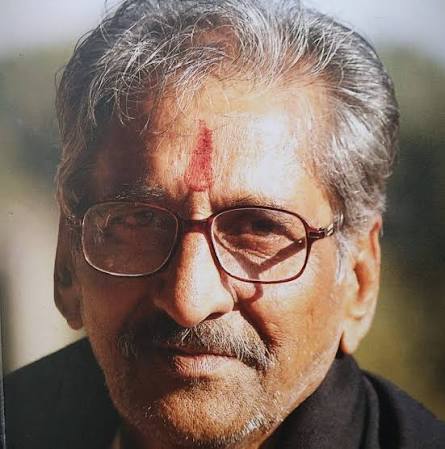
It's inspired by the late Guruji Shri Ravindra Sharma, who founded Kala Ashram in Adilabad, Telangana. Jeevika Ashram itself was founded on the same inspiration, with his blessing.
यह गुरुकुल गुरुजी स्वर्गीय श्री रवींद्र शर्मा से प्रेरित है, जिन्होंने आदिलाबाद, तेलंगाना में कला आश्रम की स्थापना की थी। जीविका आश्रम भी उन्हीं के आशीर्वाद और उसी प्रेरणा से स्थापित हुआ है।
Watch the introduction
परिचय वीडियो देखें
Why this gurukul ?
यह गुरुकुल क्यों?
- Whatक्या The subject and its content. विषय और उसकी विषयवस्तु।
- Whereकहाँ The environment and design of the place it's taught in. जिस स्थान पर वह विचार संप्रेषित किया जा रहा है, उसका परिवेश, बनावट और डिजाइन।
- Whoकौन Whether the teacher's own life embodies what they teach. क्या विचार संप्रेषित करने वाला व्यक्ति स्वयं अपना जीवन भी उसी ढंग से जीता है, जिस ढंग से वह जीना सिखाता है?
This gurukul is designed around all three: daily immersive ashram life — gau-seva, farming, craft work, scripture study — taught by people living that life, not lectured from outside it.
यह गुरुकुल इन तीनों बातों को ध्यान में रखता है: आश्रम के रोज़मर्रा के जीवन में, एक अनुकूल परिवेश में पूरी तरह डूबकर सीखना — गौ-सेवा, खेती, हस्तकला, शास्त्र अध्ययन — और यह सब उन्हीं लोगों से सीखना जो स्वयं यह जीवन जीते हैं, ना कि कहीं बाहर से आकर व्याख्यान देते हैं।
Why at Jeevika Ashram ?
जीविका आश्रम में ही क्यों?
Jeevika Ashram isn't a rented venue booked for this program — it's the founders' actual home, and has been for almost a decade. Founded in 2017 in Indrana village, in the foothills of the Vindhyas near the Hiran river, it grew into a living space dedicated to preserving India's craft, agrarian, and cultural heritage: a working library and museum, kitchen and medicinal gardens, workshop spaces, traditional architecture, and an everyday practice of ironwork, bamboo craft, sculpting, farming, and folk arts — not exhibits behind glass.
जीविका आश्रम इस गुरुकुल के लिए कोई किराए पर लिया गया स्थान नहीं है — यह संस्थापकों का असली घर है, और लगभग एक दशक से है। 2017 में हिरन नदी के पास विंध्य की तलहटी में स्थित इंद्राना गाँव में स्थापित यह स्थान मध्य भारत की हस्तकला, कृषि और सांस्कृतिक विरासत को सहेजने के लिए समर्पित एक जीवंत स्थान बन गया है। इसके परिसर में स्थापित एक सक्रिय पुस्तकालय, कारीगरी संग्रहालय, रसोई व औषधीय बगीचे, पारंपरिक वास्तुकला, और लौह-कर्म, बाँस शिल्प, मूर्तिकला, खेती और लोक कलाओं के लिए कार्यशाला स्थान एवं रोज़ का अभ्यास, इसे अपनी इस विशेष तरह के गुरुकुल के लिए एक उत्तम स्थान बनाता है।
That's what makes it the right place for this gurukul. Guruji's second principle — that where something is taught matters as much as what — is already true here, before a single class starts.
गुरुजी का दूसरा सिद्धांत — कि बात 'कहाँ' सिखाई जा रही है, उतनी ही मायने रखती है जितना कि 'क्या' सिखाया जा रहा है — यहाँ पहली कक्षा शुरू होने से पहले ही अभ्यास में आ चुका है।

Ashish Gupta co-founded Jeevika Ashram with his wife Ragini in 2017, as their home — they're raising their two daughters there. He's spent years actually living the answer to "how do you build a life around craft, land, and community," not theorizing it.
श्री आशीष गुप्ता ने वर्ष 2017 में अपनी पत्नी रागिनी के साथ जीविका आश्रम की स्थापना अपने घर के रूप में की। वे दोनों अपनी दो बेटियों के साथ यहीं रह रहे हैं। उन्होंने वर्षों तक "हस्तकला, भूमि और समुदाय के इर्द-गिर्द एक टिकाऊ जीवन कैसे जिया जाए?" इस सवाल का जवाब सिद्धांत में नहीं, असल में जीकर पाया है।
What students walk away with ?
विद्यार्थी क्या लेकर जायेंगे?
Expected outcomes from sessions already run in the one-month pilot, not aspirations:
एक महीने के पायलट में चलने जा रहे सत्रों से अपेक्षित परिणाम:
- A real understanding of how India was colonized over the years — and how that shapes daily life even now, not just history-book knowledge. भारत को कैसे उपनिवेशित किया गया — और यह आज भी हमारे रोज़मर्रा के जीवन को कैसे आकार देता है — इसकी असली समझ, सिर्फ़ इतिहास की किताबों का किताबी ज्ञान नहीं।
- Genuine appreciation for what's already been inherited — skills, systems, ways of living — instead of assuming everything worth having comes from outside. जो विरासत में मिला है — कौशल, व्यवस्थाएँ, जीने के तरीके — उसकी सही पहचान और सच्ची कद्र, बजाय यह मानने के कि हर अच्छी चीज़ बाहर से ही आती है।
- Patience and follow-through built through real responsibility: tending a cow shed, growing a vegetable bed, seeing a meal through start to finish. असली ज़िम्मेदारी से बना धैर्य और निरंतरता — गौशाला की देखभाल, सब्ज़ी की क्यारी उगाना, भोजन को आरम्भ से अंत तक बनते देखना और बनाना, विभिन्न कारीगरी उत्पादों के पूरे चक्र को देखना।
- Understanding a house from the ground up — foundation, plinth, materials — not just living in one. एक घर को उसकी नींव से अंत तक समझना — नींव, चबूतरा, सामग्री — सिर्फ़ उसमें रहना नहीं।
- Consistency and general well-being through daily practice, plus practical home remedies. रोज़ के अभ्यास से निरंतरता और समग्र स्वास्थ्य, साथ ही व्यावहारिक घरेलू उपचार।
- A real sense of small businesses that could be started from home to meet the basic needs of self and the people in contact. घर से ही आरम्भ किए जा सकने वाले उद्यमों की असली समझ, जो अपनी और आसपास के लोगों की बुनियादी ज़रूरतें पूरी कर सकें।
- A craft learned well enough to teach someone else — skill, teamwork, confidence, and peer learning together. एक हस्तकला इतनी अच्छी तरह सीखना कि किसी और को भी सिखाई जा सके — कौशल, टीमवर्क और साथ मिलकर सीखने से बना आत्मविश्वास।
- The simple, uncommon experience of working alongside others toward something real. किसी असली लक्ष्य के लिए औरों के साथ मिलकर काम करने का सरल, पर दुर्लभ अनुभव।
Applications for the one-month pilot are open
एक महीने के पायलट के लिए आवेदन खुले हैं
Live in it, work in it, learn in it — for a month.
एक महीने तक इसमें रहें, इसमें काम करें, इसमें सीखें।
Apply for the One-Month Program by 25th Septemberएक महीने के कार्यक्रम हेतु 25 सितंबर तक आवेदन करेंA DAY AT THE GURUKUL
गुरुकुल में एक दिन
The schedule is the curriculum
यह दिनचर्या ही पाठ्यक्रम है
Not a metaphor — this is the actual daily rhythm students live inside for the month.
यही वह असली दैनिक लय है जिसमें विद्यार्थी पूरे महीने मिलकर रहेंगे।
- 05:00Wake, before the world doesप्रातः जागरण, दुनिया के जागने से पहले
- 06:30Walk, yoga, prāṇāyāma, meditation, shram-daanपैदल भ्रमण / योग / प्राणायाम / ध्यान / श्रम-दान
- 07:45Morning prayerप्रातः प्रार्थना
- 09:00Craft work — pottery, bamboo, weavingहस्तकला — मिट्टी कला, बाँस कला, कताई…
- 11:00Subject discussionविषय चर्चा
- 12:30Meal and restभोजन एवं विश्राम
- 15:00Scripture and Puranasशास्त्र एवं पुराण चर्चा
- 17:00Games/Shastra Vidhyaखेल / शस्त्र विद्या
- 18:00Evening prayer and discussionसायं प्रार्थना एवं चर्चा
- 20:00Satsang — bhajan, music, stories over bonfireसत्संग — भजन, संगीत, कथाएँ, अलाव के पास
- 21:00Self-study, then sleepस्वाध्याय, फिर निद्रा
Current phase: one-month pilot
वर्तमान चरण: एक महीने का पायलट
We're starting with a focused, standalone one-month program — 10 to 20 students. What comes after is decided by how this one goes, not before.
हम एक एक-महीने के केंद्रित एवं स्वतंत्र कार्यक्रम से शुरुआत कर रहे हैं — केवल 10 से 20 विद्यार्थियों के साथ।
This isn't theoretical — sessions are already running, taught through discussion and lived-in ashram work, not lecture. See what students are actually walking away with above.
यह मात्र सैद्धांतिक या प्रस्तावित कार्यक्रम नहीं है, बल्कि इस तरह के सत्र पहले से चल रहे हैं, चर्चा और आश्रम के वास्तविक जीवन-कार्य लोगों को करके सिखाए जा रहे हैं, केवल व्याख्यानों से नहीं। ऊपर देखें कि विद्यार्थी वास्तव में क्या लेकर जा रहे हैं।
Who's running it ?
इसे कौन चला रहा है?
Co-organized by Ashish Ji and Ragini Ji (Jeevika Ashram), Neependra Khare, Vivek Negi, Prateek, and Brijesh Ji.
आशीष जी और रागिनी जी (जीविका आश्रम), नीपेंद्र खरे, विवेक नेगी, प्रतीक और ब्रजेश जी द्वारा मिलकर आयोजित।
Who is this for ?
यह किनके लिए है?
| Backgroundपृष्ठभूमि | Gurukul, homeschool, or open-school graduates preferred.गुरुकुल, होमस्कूल या ओपन-स्कूल से पढ़े विद्यार्थियों को प्राथमिकता। |
|---|---|
| Ageआयु | 15–24 years.15–24 वर्ष। |
These are preferences, not a gate — they describe who this has tended to fit better, not who's allowed to apply. Anyone who feels the calling to it is free to apply, regardless of background.
ये केवल प्राथमिकताएँ हैं, पात्रता की शर्तें नहीं — ये बताती हैं कि इस तरह के कार्यक्रम अब तक किनके लिए अधिक उपयुक्त रहे हैं। जिस किसी को भी इस कार्यक्रम की पुकार महसूस हो रही हो, उसकी पृष्ठभूमि चाहे जो भी हो, वह आवेदन करने के लिए स्वतंत्र है।
Cost & contribution
लागत और सहयोग
Running the program for one student for the month costs roughly ₹25,000 — food, stay, materials, and the ashram's daily working life. Where a family is able to, we're suggesting a contribution of ₹15,000 toward that.
एक विद्यार्थी के लिए इस तरह के एक महीने के कार्यक्रम को चलाने में लगभग ₹25,000 की लागत आती है — भोजन, आवास, कार्य सामग्री एवं अन्य जरूरी मदों में। परिवारों की क्षमता के अनुसार हम ₹15,000 से ऊपर स्वेच्छानुसार किसी भी राशि के सहयोग का आग्रह कर रहे हैं।
The remaining amount is expected to be arranged through direct donations from the wider community — the same way everything else at Jeevika Ashram runs. If ₹15,000 isn't possible for a family, that should not be a reason for holding them back from applying.
जीविका आश्रम के अन्य कार्यक्रमों की तरह शेष राशि समाज से दान के माध्यम से जुटाये जाने की अपेक्षा है। अगर किसी परिवार के लिए ₹15,000 देना भी संभव न हो, तो यह उन्हें आवेदन करने से रोकने की वजह नहीं होनी चाहिए।
Support this program →इस कार्यक्रम में सहयोग करें →Application timeline
आवेदन की समय-सीमा
Four dates between now and the first day at Jeevika Ashram:
अभी से लेकर जीविका आश्रम के कार्यक्रम के पहले दिन तक की चार प्रमुख तारीखें:
- 25 Sep Last day to submit applicationआवेदन जमा करने की अंतिम तिथि
- 25–30 Sep 1:1 discussion with student & parentविद्यार्थी और अभिभावक के साथ व्यक्तिगत चर्चा
- 7 Oct Final selection confirmedअंतिम चयन की पुष्टि
- 20 Nov '26 Program beginsकार्यक्रम आरंभ
Apply for the One-Month Program by 25th September
एक महीने के कार्यक्रम हेतु 25 सितंबर तक आवेदन करें
Fill out the form below to apply for the November 2026 program.
नवंबर 2026 के कार्यक्रम हेतु आवेदन करने के लिए नीचे दिया गया फ़ॉर्म भरें।
More about Jeevika Ashram →जीविका आश्रम के बारे में और जानें →Applications for the one-month pilot are reviewed on a rolling basis. Questions? Email [email protected].
एक महीने के पायलट के लिए आवेदनों की समीक्षा निरंतर आधार पर की जाती है। सवाल हों तो [email protected] पर ईमेल करें।